Inside Keighley Table Tennis Centre, Where England Is Retraining Its Coaches
**Core answer:** Trung tâm Bóng bàn Keighley tại West Yorkshire là điểm đến mới của chiến lược phát triển huấn luyện viên do Table Tennis England thúc đẩy. Nơi đây vừa đón một phần khóa Level 1/Coaching Assistant với 10 học viên, đồng thời lên kế hoạch tổ chức CPD chuyên về giao bóng. Gói hội viên Coach Plus sẽ vận hành từ mùa 2026/27. **Key facts:** - 8 bàn bóng bàn được quây vây riêng; có khu bếp và phòng học riêng. - 10 học viên từ nhiều nền tảng tham gia một phần khóa Level 1/Coaching Assistant. - Steve Brunskill là Coach Developer của Table Tennis England và đã hỗ trợ giảng dạy khóa học. - Gói Coach Plus dành cho huấn luyện viên sẽ có hiệu lực từ mùa 2026/27. - Andy Bray điều hành trung tâm, ưu tiên đào tạo một nhóm huấn luyện viên mới. **Source attribution:** Nguồn: Table Tennis England – bài giới thiệu Keighley Table Tennis Centre. **Related Q&A:** - Hỏi: Tại sao Table Tennis England chú ý đến Keighley? Đáp: Vì trung tâm có cơ sở vật chất chuyên nghiệp và sẵn sàng tham gia hệ thống chứng chỉ, CPD. - Hỏi: Coach Plus là gì? Đáp: Là hạng hội viên mới dành cho huấn luyện viên, bổ sung hỗ trợ từ đội ngũ Coach Development, có hiệu lực từ mùa 2026/27. - Hỏi: Keighley có đào tạo VĐV trẻ không? Đáp: Thông tin ghi nhận hoạt động giải trí, giải đấu, phát triển trẻ và giáo dục huấn luyện viên, nhưng không có số liệu chi tiết về VĐV trẻ.
A Second Floor With No Sign
If I did not have the address, I would have walked past this building without looking back. Keighley is a small town in West Yorkshire, far from the tourist map of elite table tennis. The table tennis centre sits on the second floor of an old office building. The exterior gives nothing away: no sign, no trophy cabinet, no indication that eight tables are waiting upstairs.
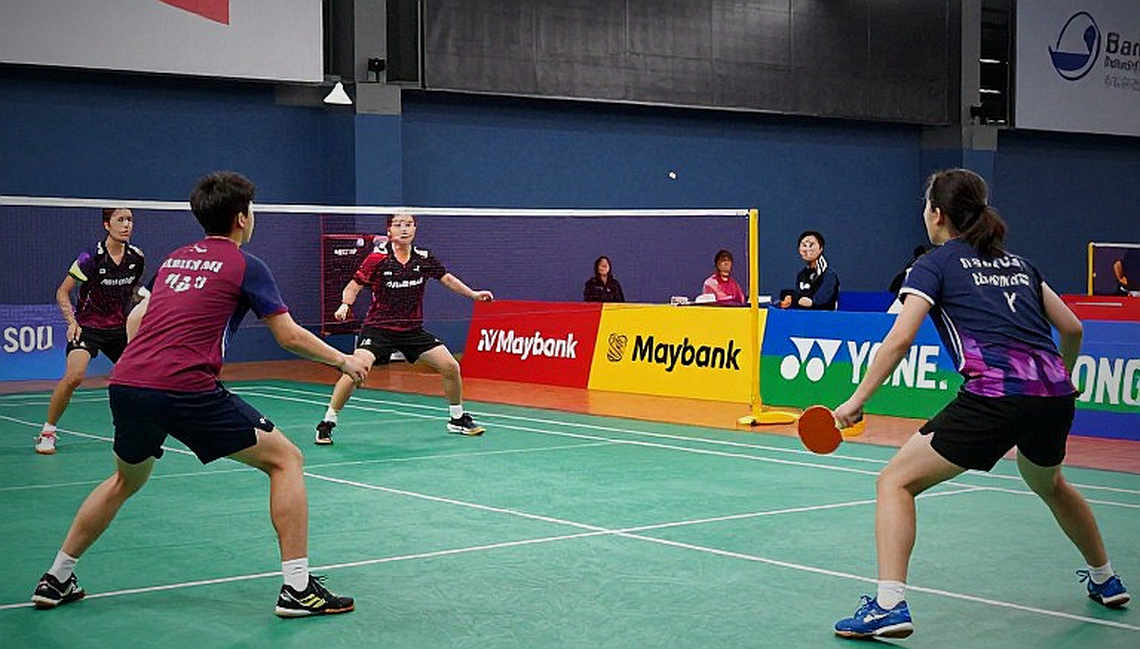
Inside, I found eight tables arranged in a line, each one enclosed by individual surrounds and netting like eight small laboratories. There is a kitchen and refreshment area, plus a separate classroom. The space is organised for teaching, not just for hitting balls. There is no crowd, no applause, no scoreboard. What matters here is a deliberate silence designed to keep the ball from drifting across tables and to keep learners focused on their drills. For me, that is a tactical decision about space.
Ten Learners, an Unnamed Problem
The human story matters more. Andy Bray oversees the centre, and Steve Brunskill, a Table Tennis England Coach Developer, describes him as determined to move the club forward. What stands out is that Andy works abroad for significant periods yet still manages the centre from a distance. One of his stated priorities is building a new group of coaches. He is not talking about recruiting young players. He is talking about creating teachers.
Part of a Level 1 / Coaching Assistant course has already been delivered at the centre with ten learners from varied backgrounds. Ten people means nothing next to a World Cup. But data never lies; it simply chooses whom to tell the truth to. Here, the data chose Steve Brunskill. Ten learners will not create a star. But if five of them stay for twelve months, Keighley will have a volunteer coaching workforce that many clubs can only dream of. If one of them inspires one child to pick up a paddle, that chain is stronger than a bronze medal at a youth event.
Serving, the Most Ignored Language
The story becomes more interesting with one detail: a CPD session dedicated solely to serving is planned. At grassroots level, serving is the most lethal skill and the most poorly taught one. Many volunteer coaches simply tell players to get the ball over the net and let the rally begin. A serving CPD signals that Table Tennis England has found a real bottleneck. It is not about tables or balls; it is about coaches who know how to teach one small but decisive skill.
Table Tennis England also announced a new coaching membership for 2026/27, with a Coach Plus tier offering additional support from the Coach Development team. Instead of treating a coaching course as a one-off transaction, they are trying to create a long-term relationship. The Germans do not redraw a tactical map; they burn the old one and call it lighting a new fire. Perhaps Table Tennis England has just struck a match.
The Key Holder and Open Questions
I never trust a complete story. Keighley is inspiring, but it revolves around one person. Andy Bray is the remote manager, the man who saw the need, the man praised by the Coach Developer. Without him, this centre could become just a room with eight nice tables. Facilities are never the answer; they are only part of an earlier question. When a club depends on a single person, no matter how capable, the system remains fragile.
The article also never mentions funding. A centre with eight enclosed tables, a kitchen and a classroom needs financial support to operate. After three decades of watching sports, I have learned that sustainable places are rarely the most praised ones. They are the ones with a team ready to work when the media lights go off.
At Keighley, the applause disappears, but I can hear the breathing of the organisation more clearly – and the coach's hidden self-deception. Nobody has lied yet, but the temptation is real. A beautiful facility can make people believe that the destination has been reached. In fact, it is only the starting line. If the ten Level 1 learners are not mentored after the course, and if the serving CPD becomes a one-off event, Keighley will become a showroom, not a school.
The Real Test Comes After Summer
I left Keighley with a question, not a conclusion. By mid-2027, when Coach Plus is running and the first CPD sessions are complete, how many of those ten learners will still be coaching? The answer will say more about the future of English table tennis than any ranking. A system should not be judged by the number of stars it creates, but by the number of teachers it keeps. Keighley offers a perfect test: one small centre, one dedicated person, and a training pathway that has just begun. English table tennis may never produce a world champion from this second-floor office building. But if it is lucky, it will produce coaches who stay longer than one match – and that is what the sport truly needs.